Small Breeds

Lionhead Rabbit: Complete Care Guide for First-Time Owners
Small Breeds

Lionhead Rabbit: Complete Care Guide for First-Time Owners

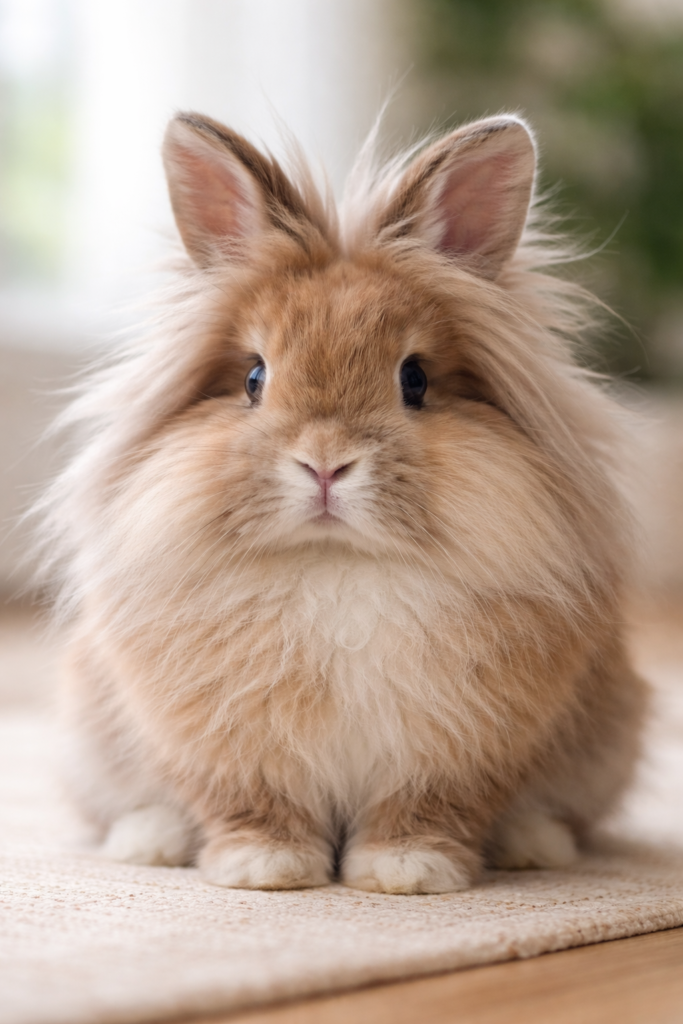
Are you thinking about bringing home a fluffy bunny with a lion-like mane? The lionhead rabbit might be the perfect pet for you! These adorable little rabbits have become super popular in the United States, and it’s easy to see why. With their unique fluffy mane and friendly personality, they make wonderful companions for families and first-time rabbit owners. In this guide, we’ll walk you through everything you need to know about lionhead rabbits — from care needs and personality to real ownership costs. Let’s dive in! What Is a Lionhead Rabbit? The lionhead rabbit is a small domestic rabbit breed that gets its name from the thick, woolly fur that grows around its head — just like a lion’s mane. This breed originated in Belgium in the 1990s, when breeders crossed a Swiss Fox rabbit with a Netherland Dwarf rabbit, producing a genetic mutation that created their signature fluffy mane. The American Rabbit Breeders Association (ARBA) officially recognized the Lionhead as a breed in 2013, making it one of the newer additions to American rabbit breeding. Quick Facts at a Glance Feature Details Weight 2.5 – 3.75 lbs (fully grown) Body Length 8 – 10 inches Lifespan 7 – 10 years Ear Length 2 – 3 inches ARBA Recognition 2013 Mane Types Single mane or double mane Best For Families, first-time owners, apartment dwellers Grooming Needs High — daily mane brushing required Size and Physical Features Lionhead rabbits are small to medium-sized with a compact, rounded body. Their most distinctive feature is their mane — a thick circle of longer fur around their head. Their ears are short (2–3 inches) and their eyes are bold and expressive. Despite their small size, they’re sturdy little animals with a confident posture. Single Mane vs. Double Mane — What’s the Difference? This is one of the most unique aspects of lionhead rabbits — and something no other breed has. There are two mane types: •        Single Mane: These rabbits have a fluffy circle of fur around their head when young. The mane may thin out or partially disappear as they age. Common in many pet-store lionheads. •        Double Mane: These bunnies keep their full, thick mane for life. They also have extra fluffy fur around their back legs and flanks. You can identify a double-mane baby by looking for a distinct ‘V’ shape in the fur on their back at birth. If you want a lionhead that keeps its full mane long-term, look specifically for a double-mane rabbit from a reputable breeder. Colors and Patterns Lionhead rabbits come in a wide variety of colors, giving you plenty of options when choosing your bunny: •        Black •        White (Ruby-Eyed White) •        Blue (gray-blue) •        Chocolate brown •        Tortoiseshell (patches of black and orange) •        Chestnut, Lilac, and Sable Lionhead Rabbit Personality and Temperament Don’t let their small size fool you — lionhead rabbits have big, bold personalities. Here’s what owners across the US say about living with one: •        Friendly and social: They love spending time with their human families and enjoy being around people. •        Curious and playful: They explore everything and can even learn tricks with patience and treats. •        Gentle with kids: Generally good with children, though supervision is always recommended since they’re small and delicate. •        Intelligent: Most lionheads can be litter box trained, making them excellent indoor pets. One important thing to know — lionheads are very social animals. In the wild, rabbits live in groups. Many experts recommend keeping at least two rabbits so they can keep each other company. Housing Setup: What Your Lionhead Actually Needs A lot of new owners underestimate how much space and comfort these bunnies need. Here’s the truth: •        Minimum cage size: 18 x 24 inches — bigger is always better. If you have two rabbits, you’ll need at least 8 square feet. •        Solid floor only: Never use wire-bottom cages — they hurt your rabbit’s feet and cause sore hocks. Use solid flooring with soft bedding. •        Indoor living: Keeping rabbits indoors protects them from predators, extreme weather, and disease. Plus, you’ll bond with them much more easily. •        Temperature: Lionheads prefer 60°F to 75°F. Keep them out of direct sunlight and away from cold drafts. •        Exercise time: 3–4 hours of free time outside the cage every day — non-negotiable for their physical and mental health. •        Rabbit-proof your space: Cover electrical cords, remove toxic plants, and block off dangerous areas before letting them roam. What to Feed Your Lionhead Rabbit Feeding the right food is one of the most important things you can do for your rabbit’s health. The biggest mistake new owners make is too many pellets and not enough hay. Food Type Amount Why It Matters Timothy Hay Unlimited 70–80% of diet — keeps teeth and gut healthy Fresh Leafy Greens 1 cup per 2 lbs body weight Essential vitamins and hydration Pellets (18%+ fiber) 1/8 cup daily Additional nutrients — don’t overfeed Fresh Water Always available Change daily — critical for health Safe foods to include: •        Timothy hay (most important!) •        Romaine lettuce, cilantro, parsley, carrot tops •        Small fruit treats (apple, banana, strawberry) — 2–3 times per week only Foods to NEVER give your rabbit: •        Iceberg lettuce (no nutrition, causes diarrhea) •        Chocolate, bread, or sugary treats •        Avocado, onions, or garlic (toxic) Grooming Your Lionhead Rabbit Because of their long, fluffy mane, lionheads need more grooming than most other rabbit breeds. Here’s your grooming checklist: •        Daily mane brushing: Brush the mane every single day to prevent painful tangles and mats. •        Body brushing: Brush the rest of their body 2–3 times per week — more often during shedding season. •        Nail trimming: Trim nails every 4–6 weeks using rabbit-safe clippers. •        Ear checks: Check ears weekly for dirt, redness,

Netherland Dwarf Rabbit: Complete Care Guide for New Owners
Small Breeds

Netherland Dwarf Rabbit: Complete Care Guide for New Owners

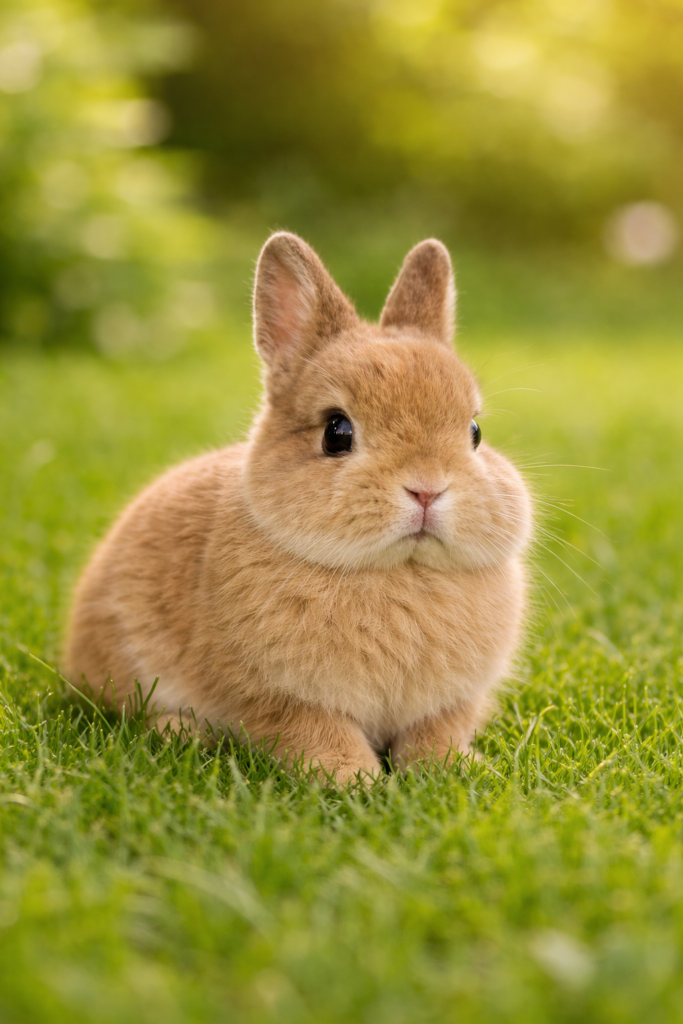
Thinking about getting a Netherland Dwarf rabbit? You’re not alone. These tiny bunnies have become one of the most popular pet rabbits in the United States — and it’s easy to see why. They’re small, they’re smart, and they’ve got personalities way bigger than their 2-pound bodies suggest. But before you bring one home, there’s a lot you need to know. This guide covers everything — from diet and housing to health problems and real ownership costs. Whether you’re a first-time rabbit owner or upgrading your bunny knowledge, you’ll find everything here. What Is a Netherland Dwarf Rabbit? The Netherland Dwarf rabbit is the smallest recognized rabbit breed in the world. It originated in the Netherlands in the early 1900s, when breeders crossed small domestic rabbits with wild rabbits to create a super-compact pet. In 1969, ARBA added the Netherland Dwarf to its list of officially recognized breeds — a milestone that helped boost its popularity across the US. Today, it’s one of America’s most popular rabbit breeds thanks to its cute appearance and lively personality. Quick Facts at a Glance Feature Details Weight 2 – 2.5 lbs (fully grown) Lifespan 10 – 12 years Size Smallest recognized rabbit breed worldwide Temperament Energetic, curious, shy at first Best For Adults and experienced rabbit owners ARBA Recognition 1969 Colors Available 25+ recognized color patterns Exercise Needed 3 – 4 hours daily outside cage What Does a Netherland Dwarf Rabbit Look Like? Netherland Dwarfs have a very distinctive look that makes them stand out from other breeds. Here’s what to expect: One fun fact — because of their features, Netherland Dwarfs look like baby rabbits their entire lives. That “forever young” look is a big reason so many people fall in love with them. Netherland Dwarf Rabbit Personality Don’t let their tiny size fool you. These rabbits have big, bold personalities. Here’s what owners across the US say about living with a Netherland Dwarf: Bonding takes time — usually 3 to 6 weeks. Instead of reaching for them, try sitting quietly nearby — curious rabbits will naturally start exploring and moving toward you on their own. Forcing interaction will slow down the process. Housing Setup: What Your Rabbit Actually Needs A lot of new owners underestimate how much space these little guys need. Here’s the truth: What to Feed Your Netherland Dwarf Rabbit Diet is the single most important part of keeping your rabbit healthy. The biggest mistake new owners make? Too many pellets, not enough hay. Here’s the correct breakdown: Food % of Diet How Much / Notes Timothy Hay 70% Unlimited — always available, refresh daily Pellets (18%+ fiber) 20% 1/8 cup per day — no seeds, no dried fruit Fresh Leafy Greens 10% 1 cup daily — romaine, cilantro, parsley, arugula Fresh Water Always Change daily — ceramic bowl or bottle both work Foods to NEVER give your rabbit: Common Health Problems in Netherland Dwarf Rabbits Here’s the thing about tiny rabbits — the smaller the body, the bigger the health risks you need to watch for. Knowing the warning signs early can save your rabbit’s life. Pro tip: Find a rabbit-savvy exotic vet before you bring your bunny home. Not all vets treat rabbits — and in an emergency, you won’t have time to search. Is a Netherland Dwarf Rabbit Right for You? Best Fit For Not Recommended For Adults and seniors wanting a long-term companion Families with kids under 8 years old Apartment dwellers with limited space First-time owners expecting a cuddly lap pet Experienced rabbit owners People with very little free time People who enjoy playful, independent pets Anyone wanting a low-maintenance pet True Cost of Ownership — Year 1 Breakdown Netherland Dwarfs are affordable to buy — but the ongoing costs add up. Here’s an honest look at what you’ll actually spend: Expense Estimated Cost Netherland Dwarf (from breeder) $30 – $100 Enclosure / X-Pen $60 – $120 Spay / Neuter Surgery $150 – $300 First Exotic Vet Visit $75 – $150 Timothy Hay (full year) $100 – $200 Pellets + Fresh Greens $80 – $150 / yr Toys, Chews & Enrichment $40 – $80 / yr Estimated Year 1 Total $535 – $1,100 10 Related Topics to Know If you’re researching Netherland Dwarf rabbits, these related topics will help you become a better owner: Related Keyword Why It Matters Netherland Dwarf rabbit colors 25+ coat patterns — helps you pick your bunny Netherland Dwarf rabbit lifespan 10–12 years — long commitment to plan for Netherland Dwarf rabbit size 2–2.5 lbs — world’s smallest breed Netherland Dwarf rabbit diet 70% hay diet is critical to health Dwarf rabbit care guide Full care routine for daily life Netherland Dwarf rabbit temperament Shy first, playful after bonding Best rabbit breeds for apartments Top choice for small living spaces Netherland Dwarf rabbit health problems Dental and GI issues are most common How to litter train a rabbit Takes 2–4 weeks with consistency Netherland Dwarf rabbit price $30–$100 from reputable breeders Frequently Asked Questions (FAQs) 1. Are Netherland Dwarf rabbits good for beginners? They can be — but they’re not the easiest starter rabbit. They need patience during bonding, a specific diet, and regular vet care. If you’re ready to commit, they make wonderful companions. 2. How long do Netherland Dwarf rabbits live? With proper care, they typically live 10 to 12 years. That’s a long-term commitment, so make sure you’re ready before adopting. 3. Do Netherland Dwarf rabbits like to be held? Most don’t love being picked up — they prefer all four feet on the ground. Once bonded, many will tolerate gentle handling and even seek out petting on their own terms. 4. Can Netherland Dwarf rabbits live with other rabbits? Yes — in fact, many experts recommend keeping them in bonded pairs. A bonded partner keeps them mentally stimulated and reduces loneliness, especially when you’re away. 5. Are they easy to litter train? Yes! Place a litter box where they naturally go, use rabbit-safe litter

Scroll to Top