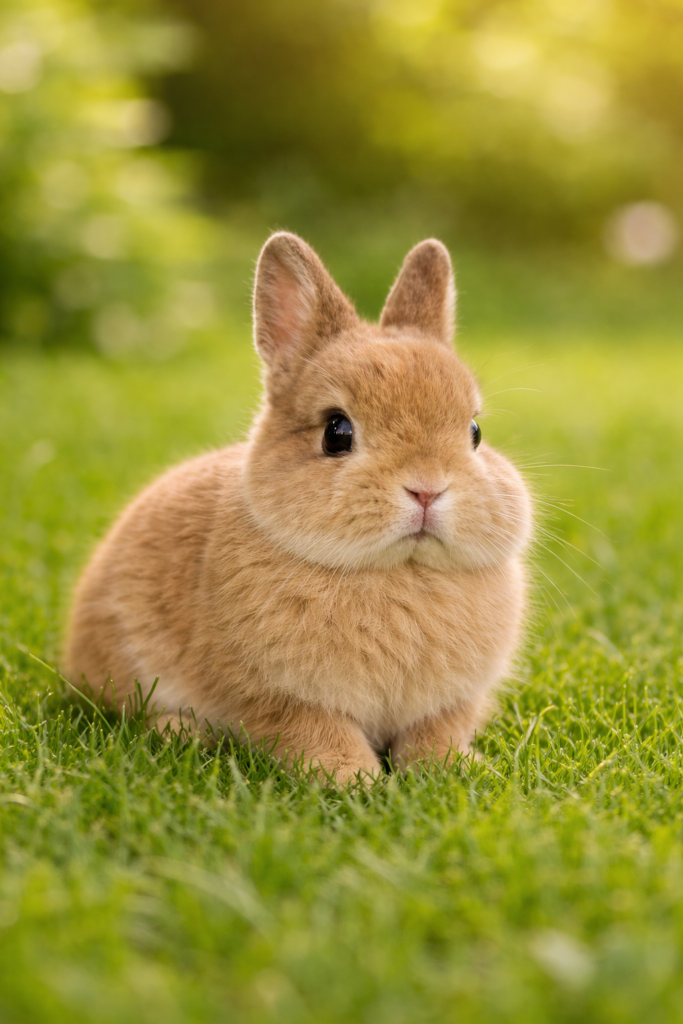
Dutch Rabbit: The Ultimate Guide to This Iconic Breed
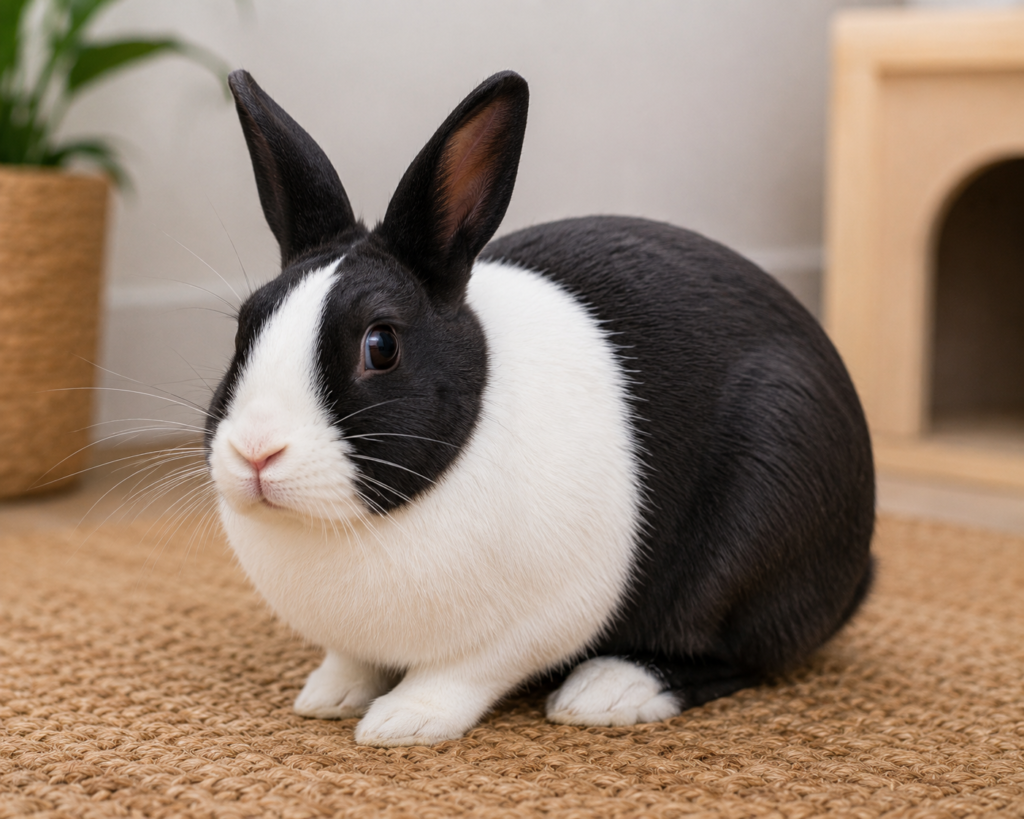
What is a Dutch Rabbit? The Dutch Rabbit is a small, compact domestic breed weighing 3.5 to 5.5 lbs, instantly recognized by its unique two-toned “Dutch Markings” — a white blaze on the face, white saddle on the back, and white stops on the hind feet. Recognized by the American Rabbit Breeders Association (ARBA), they are one of the oldest and most popular pet rabbit breeds in the United States, prized for their calm, social, and trainable temperament. Have you ever seen a rabbit that looks like it is wearing a little white mask and a tuxedo? That is the Dutch Rabbit. Whether you are a new owner or a long-time enthusiast, this guide covers everything: markings, temperament, diet, health, cost, and training. The History and Origin of the Dutch Rabbit The Dutch Rabbit was developed in England during the mid-1800s — not in the Netherlands, despite the name. The breed traces its roots to Belgium, where it evolved from an older rabbit known as the Petit Brabançon. English breeders refined the distinctive markings we recognize today, and the breed was imported to the United States, where ARBA officially recognized it as one of its earliest registered breeds. Today, Dutch rabbits remain a top choice for US families because of their manageable size and gentle nature. Distinctive Characteristics: The Famous Dutch Markings The absolute trademark of this breed is the precise pattern of their coat. ARBA show judges evaluate Dutch Markings strictly — even slight asymmetry can disqualify a show rabbit. Here is what to look for: Dutch Rabbit Size and Weight Standards According to ARBA, Dutch rabbits are “four-class” rabbits — meaning they are judged in junior and senior classes for both bucks and does. Feature Standard Detail Weight 3.5 to 5.5 lbs (1.6 to 2.5 kg) Body Type Compact, rounded, well-balanced Ears Short, upright, well-furred Fur Type Short, flyback (snaps back when stroked) Lifespan 8 to 12 years Dutch Rabbit Colors — Official ARBA Varieties Dutch rabbits come in seven officially recognized colors in the US: Color Description Black Deep, even black with white markings Blue Medium blue-gray body Chinchilla Salt-and-pepper ticked pattern Chocolate Rich warm brown Gray Agouti-ticked gray body Steel Dark steel-blue with gold ticking Tortoise Orange-brown with darker shading Understanding the Dutch Rabbit Temperament Dutch Rabbits are widely regarded as one of the best beginner breeds in the US because of their calm, predictable personality. Key traits include: Pros and Cons of Owning a Dutch Rabbit Pros Cons Calm, beginner-friendly temperament Requires 2–3 hours daily free-roam time Small, manageable size (under 6 lbs) Needs an “exotic” vet — harder to find Long lifespan (8–12 years) Can be territorial without spay/neuter Easy flyback coat — minimal grooming Dental issues common if hay intake is low Highly trainable Fragile bones — not ideal for young children Seven stunning ARBA color varieties Requires daily social interaction Essential Care and Housing Requirements Dutch Rabbits are active despite their small size. The House Rabbit Society recommends a minimum living space of 8 square feet for a rabbit this size, with access to at least 24 square feet of exercise space daily. An exercise pen (X-pen) is strongly preferred over a traditional cage. Training and Enrichment Dutch Rabbits are among the most trainable rabbit breeds in the US. Their intelligence and food motivation make them ideal candidates for: Bonding and Companionship The House Rabbit Society strongly recommends keeping rabbits in bonded pairs because they are social animals that experience genuine loneliness. For Dutch rabbits specifically: Spay and Neuter: Why It Matters Spaying or neutering your Dutch rabbit is one of the most important health decisions you can make: Diet and Nutrition: What Do Dutch Rabbits Eat? Food Amount Purpose Timothy Hay Unlimited (80% of diet) Dental wear + digestive health Leafy Greens 1 packed cup per 2 lbs body weight Vitamins and hydration Pellets ¼ cup per 6 lbs body weight Concentrated nutrients Fresh Water Always available Hydration — ceramic bowl preferred Treats Max 1 tsp per day Positive reinforcement only Foods to avoid: Iceberg lettuce (causes diarrhea), sugary fruits in large amounts, crackers, bread, cereals, and any processed human food. Cost of Ownership: First-Year Estimate Expense Cost (USD) Dutch Rabbit (from breeder) $30–$90 Exercise Pen + Rug $60–$110 Spay/Neuter $175–$800 First Vet Exam $70–$120 Annual Timothy Hay $100–$200 Pellets + Greens $80–$150 Litter + Supplies $60–$100 Toys + Enrichment $50–$100 Year 1 Total ~$625–$1,670 Pro Tip: Find an exotic animal vet BEFORE purchasing your rabbit. Not all vets treat rabbits — and emergencies can’t wait. Common Health Issues in Dutch Rabbits Health Issue Signs Prevention GI Stasis No eating/pooping for 8+ hours Unlimited hay access Overgrown Teeth Drooling, reduced appetite 80% hay diet Ear Mites Head shaking, crusty ears Weekly ear checks Uterine Cancer (females) Lethargy, blood in urine Spay before age 2 Respiratory Issues Sneezing, runny nose Keep away from drafts/dusty bedding Grooming and Maintenance Tips The Dutch rabbit’s fur is short with a “flyback” quality — when stroked against the grain, it snaps immediately back to its original position. This means grooming is very low-maintenance: FAQs Q: Are Dutch Rabbits good for beginners? A: Yes — their calm nature, manageable size, and trainability make them one of the top three beginner rabbit breeds in the US. Q: Do Dutch Rabbits come in different colors? A: Yes — ARBA recognizes seven official colors: Black, Blue, Chinchilla, Chocolate, Gray, Steel, and Tortoise. Q: Can they live with other pets? A: They can bond well with other rabbits when introduced properly. Always supervise interactions with dogs and cats — even friendly ones can accidentally injure a rabbit. Q: How long do Dutch Rabbits live? A: With proper care, 8 to 12 years. Spaying/neutering and regular exotic vet visits are the two biggest factors in a long, healthy life. Q: Do Dutch Rabbits like to be held? A: Most Dutch Rabbits tolerate handling well compared to other breeds, but like all rabbits, they prefer to be on the ground. Build
Dutch Rabbit: The Ultimate Guide to This Iconic Breed Read Post »