Holland Lop Rabbit: The Ultimate Guide to the World’s Cutest Bunny
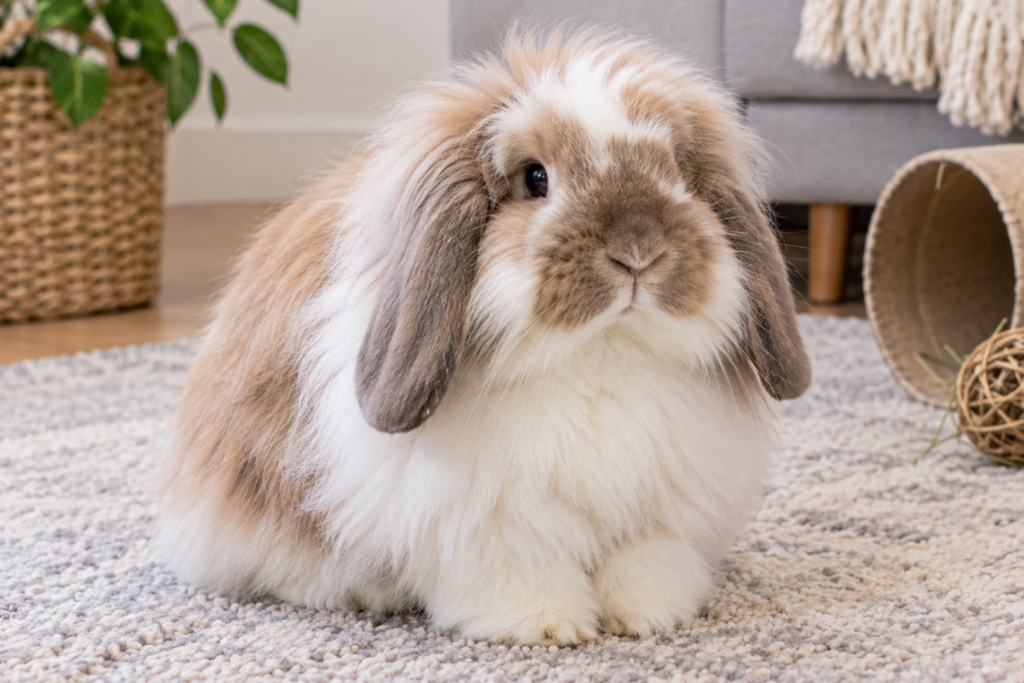
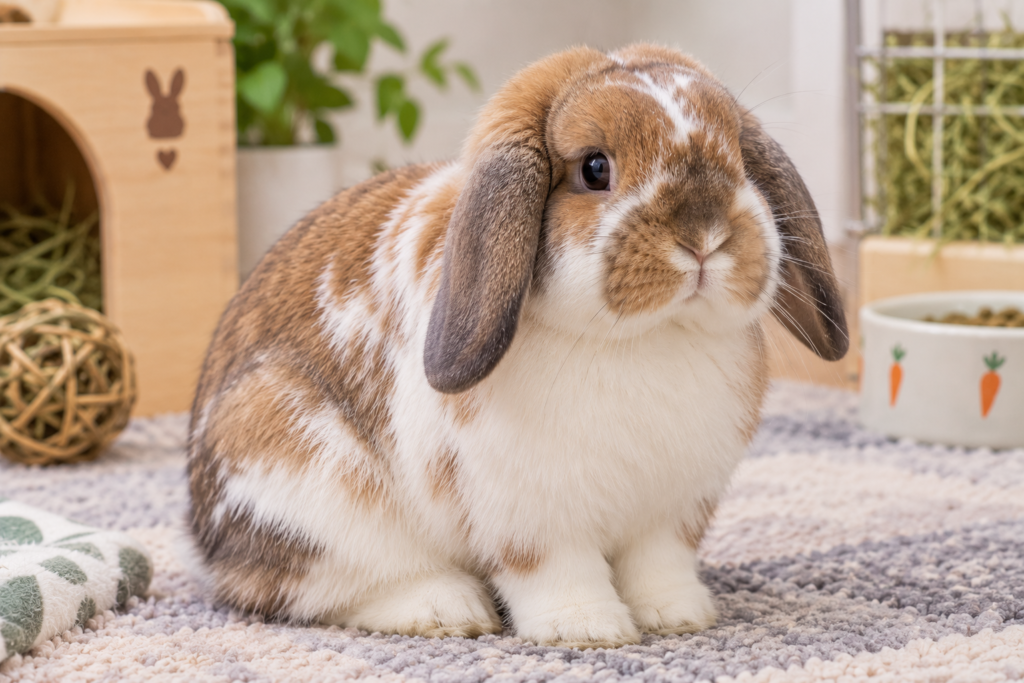
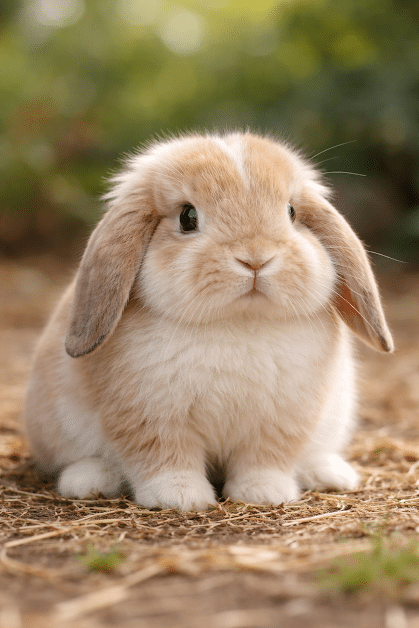
If you are looking for a pet that looks like a living teddy bear, the Holland Lop rabbit is the perfect choice for you. Known for their tiny size and adorable floppy ears, these bunnies have stolen the hearts of thousands of families across the US. They remain one of the top-searched rabbit breeds because of their sweet nature and “dog-like” loyalty — making them ideal companions for singles, couples, families, and apartment dwellers alike. What is a Holland Lop? A Holland Lop is a small domestic rabbit breed known for its lopped (floppy) ears, compact muscular body, and gentle temperament. Originating in the Netherlands and recognized in the US by ARBA in 1979, adults weigh just 2–4 pounds. They are widely considered one of the best pet rabbit breeds for families and apartment dwellers. Quick Stats at a Glance Feature Detail Weight 2 to 4 pounds Lifespan 7 to 12 years Ear Type Lopped (Floppy) Personality Friendly, Social, Energetic Origin The Netherlands Physical Characteristics & Colors These bunnies come in over 30 different colors! According to the American Rabbit Breeders Association (ARBA), the most popular colors include: Their fur is “rollback” fur — if you pet them from tail to head, the fur slowly rolls back into place. It is very soft and dense, making them perfect for gentle cuddles. The Personality of a Holland Lop If you want a pet that truly interacts with you, you’ll love this breed. Many owners describe them as “puppy-like.” They form deep bonds with their humans and often follow their owners from room to room. Housing & Free-Roaming Setup The way we keep rabbits has changed significantly. People are moving away from small wire cages and toward free-roaming setups that allow bunnies to express their natural behaviors. Why Free-Roaming? Rabbits are active animals that need space to run, jump, and explore. Keeping them in a small cage is like a human living in a bathroom. Instead, modern rabbit owners are using: Enrichment is Key Enrichment is equally important. Bored bunnies become destructive bunnies. Provide your Holland Lop with logic toys containing hidden treats, cardboard castles for hiding, and safe wood for chewing (like applewood sticks). Bonding with Your Holland Lop Building trust with a rabbit takes patience, but the reward is a deeply affectionate companion. Here is a simple timeline to follow: If you have only one rabbit, plan to spend at least 2–3 hours of quality time daily. Many experts recommend keeping them in bonded pairs so they are never lonely — a bonded pair is calmer, happier, and easier to care for overall. The Perfect Diet for Your Bunny Nutrition is the most important part of keeping your rabbit healthy. A very common mistake is feeding too many carrots or pellets. A healthy rabbit’s diet should be structured like this: Food Item % of Diet Why It’s Needed Timothy Hay 80% Keeps teeth short and digestion moving Fresh Greens 15% Vitamins (Romaine, Cilantro, Kale) Pellets 5% Concentrated nutrients (grain-free preferred) Fresh Water Always Must be clean and changed daily Important: Avoid iceberg lettuce, potatoes, corn, or sugary fruits in large quantities — these can cause digestive issues or obesity. Health & Lifespan: What Every Owner Should Know A healthy Holland Lop can live 7 to 10 years with proper care. Because of their unique body shape, they have some specific health needs every owner must understand. 1. Dental Disease Rabbit teeth never stop growing. If they do not eat enough hay, their teeth can overgrow and become painful — this is the most common health issue in the breed. Annual dental checks by an exotic vet are essential. 2. GI Stasis (Silent Killer) GI stasis is the most dangerous condition for rabbits. It occurs when the gut slows or stops moving entirely — often caused by stress, dehydration, or a low-fiber diet. Symptoms include: no droppings for 12+ hours, hunched posture, no appetite, or teeth grinding. This is a veterinary emergency. A high-hay diet is the single best prevention. 3. Ear Infections Because their ears hang down, moisture can get trapped inside. Check their ears weekly for redness, discharge, or bad smells. Early detection prevents serious infection. 4. Grooming & Hairballs Holland Lops shed (molt) a few times a year. During this time, brush them daily with a soft slicker brush. Unlike cats, rabbits cannot vomit — so if they ingest too much fur, it can cause a life-threatening hairball blockage. 5. Spay/Neuter Female rabbits (does) have an extremely high risk of uterine cancer if not spayed — up to 80% by age 5 according to some studies. Spaying or neutering also reduces aggression and makes litter training much easier. Where to Get a Holland Lop: Breeder vs. Rescue One of the most important decisions you will make is where to get your rabbit. You have two main options: Red Flags: Avoid pet stores or online listings with no photos of the parents, no health guarantee, or prices that seem too low. Always find an exotic animal vet in your city BEFORE bringing your rabbit home. True Cost of Ownership Holland Lops are not expensive to purchase, but the ongoing costs add up. Here is an honest breakdown: Expense One-Time / Annual Cost Holland Lop (from breeder) $50–$150 Enclosure / X-Pen $60–$120 Spay/Neuter Surgery $150–$300 Annual Exotic Vet Checkup $75–$150 Timothy Hay (annually) $100–$200 Pellets + Fresh Greens $80–$150/yr Toys & Enrichment $50–$100/yr Estimated Year 1 Total $600–$1,100 Pros and Cons of Owning a Holland Lop Pros: Cons: Holland Lop vs. Mini Lop vs. Lionhead: Which Breed is Right for You? If you are comparing rabbit breeds before making a decision, this quick breakdown will help. All three are popular dwarf-type breeds, but they have key differences in size, energy, and grooming needs: Feature Holland Lop Mini Lop Lionhead Weight 2–4 lbs 4.5–6 lbs 2.5–3.75 lbs Ear Type Lopped (floppy) Lopped (floppy) Upright Fur Type Short, rollback Short, rollback Long mane around head Grooming Needs Low Low High (daily