Small Breeds

Holland Lop Rabbit: The Ultimate Guide to the World’s Cutest Bunny
Small Breeds

Holland Lop Rabbit: The Ultimate Guide to the World’s Cutest Bunny

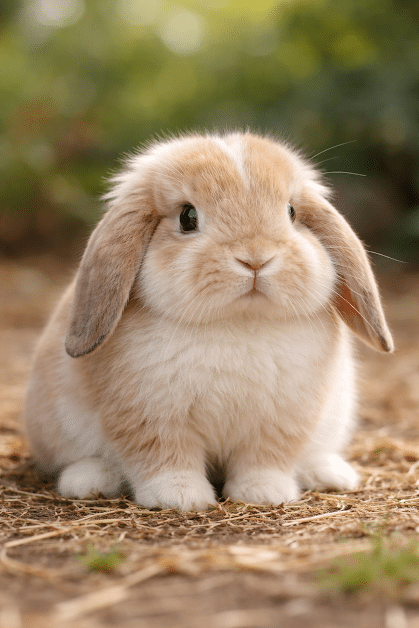
If you are looking for a pet that looks like a living teddy bear, the Holland Lop rabbit is the perfect choice for you. Known for their tiny size and adorable floppy ears, these bunnies have stolen the hearts of thousands of families across the United States.They remain one of the top-searched rabbit breeds because of their sweet nature and “dog-like” loyalty. What is a Holland Lop? The Holland Lop rabbit is a dwarf breed, meaning they stay small even when they grow up. They were first bred in the Netherlands but became a superstar breed in the US back in 1979. Today, they are often called “The Hallmark Breed” because they are just so photogenic! What Makes a Holland Lop Special? Holland Lops are famous for their “lopped” ears. Unlike some rabbits whose ears point up to the sky, these bunnies have ears that hang down beside their cheeks. They have a “compact” body type. This means they are short, stocky, and very muscular for their size. When you look at them, they look like a round little ball of fur. Quick Stats at a Glance Feature Detail Weight 2 to 4 pounds Lifespan 7 to 12 years Ear Type Lopped (Floppy) Personality Friendly, Social, Energetic Origin The Netherlands Physical Characteristics & Colors These bunnies come in over 30 different colors! According to recent surveys by the American Rabbit Breeders Association (ARBA), the most popular colors in the US for 2025 are: Their fur is “rollback” fur. If you pet them from tail to head, the fur slowly rolls back into place. It is very soft and dense, making them perfect for gentle cuddles. The Personality of a Holland Lop If you want a pet that interacts with you, you’ll love this breed. Many owners describe them as “puppy-like.” Care Trends: Creating a Happy Home The way we keep rabbits has changed. People are moving away from small wire cages and moving toward Free-Roaming. Why Free-Roaming? Rabbits are active animals. Keeping them in a small cage is like a human living in a bathroom! Instead, US owners are using: Enrichment is Key Bored bunnies can become destructive. To keep your Holland Lop happy, provide: The Perfect Diet for Your Bunny Nutrition is the most important part of keeping your rabbit healthy. A common mistake is feeding too many carrots. In reality, a rabbit’s diet should look like this: Food Item Percentage of Diet Why it’s needed Timothy Hay 80% Keeps teeth short and digestion moving. Fresh Greens 15% Provides vitamins (Romaine, Cilantro, Kale). Pellets 5% Concentrated nutrients (look for grain-free in 2025). Fresh Water Always Available Must be clean and changed daily. Health & Lifespan: What Every Owner Should Know A healthy Holland Lop rabbit can live up to 12 years if cared for properly. However, because of their unique shape, they have some specific health needs. 1. Dental Care Rabbit teeth never stop growing. If they don’t eat enough hay, their teeth can become too long and painful.This particular condition represents the primary health concern for this breed. 2. Ear Infections Because their ears hang down, moisture can get trapped inside. It’s important to check their ears weekly for any redness or bad smells. 3. Grooming They shed (molt) a few times a year. During this time, you must brush them daily. If they lick too much of their own fur, it can cause a “furball” in their stomach, which is very dangerous for rabbits. Pros and Cons of Owning a Holland Lop Pros: Cons: Frequently Asked Questions (FAQs) 1. Are Holland Lops good for beginners? Yes, Holland Lops are excellent for beginners because of their friendly and docile nature. However, since they are “exotic” pets, owners must learn about their specific diet and dental needs. They are easier to handle than larger breeds due to their small size. 2. Do Holland Lop rabbits bite? Generally, no. Holland Lops are known for being one of the sweetest rabbit breeds. A rabbit usually bites only if it feels scared, cornered, or is in pain. With gentle handling and “rabbit-proofing” your home, biting is rarely an issue. 3. Can Holland Lops live alone? While they love human company, rabbits are social animals. Many experts recommend keeping them in bonded pairs. If you have only one, you must spend at least 2–3 hours of quality time with them every day so they don’t get lonely. 4. How big do Holland Lops get? They are a dwarf breed. A full-grown Holland Lop rabbit typically weighs between 2 and 4 pounds. This small size makes them perfect for indoor living and apartments in the US. 5. Are they easy to litter train? Yes! They are actually very clean animals. Like cats, they prefer to do their business in one spot. By placing a litter box in the corner where they usually go, you can easily train them to be “free-roam” pets in your house. 6. How many times a year should I bring my rabbit in for a check-up? You should visit an “exotic animal vet” at least once a year for a checkup.Vets focus heavily on checking their back teeth and ensuring they are at a healthy weight. Yes, they are best kept indoors for safety and comfort. Conclusion The Holland Lop rabbit is more than just a cute face; they are intelligent, loving companions that thrive on human interaction. By following the  trends of free-roaming and a high-fiber diet, you can ensure your bunny lives a long, “hoppy” life. Whether you are a first-time owner or an experienced “bunny parent,” the Holland Lop is sure to bring joy to your home.
Netherland Dwarf Rabbit: Your Complete Care Guide 
Small Breeds

Netherland Dwarf Rabbit: Your Complete Care Guide 

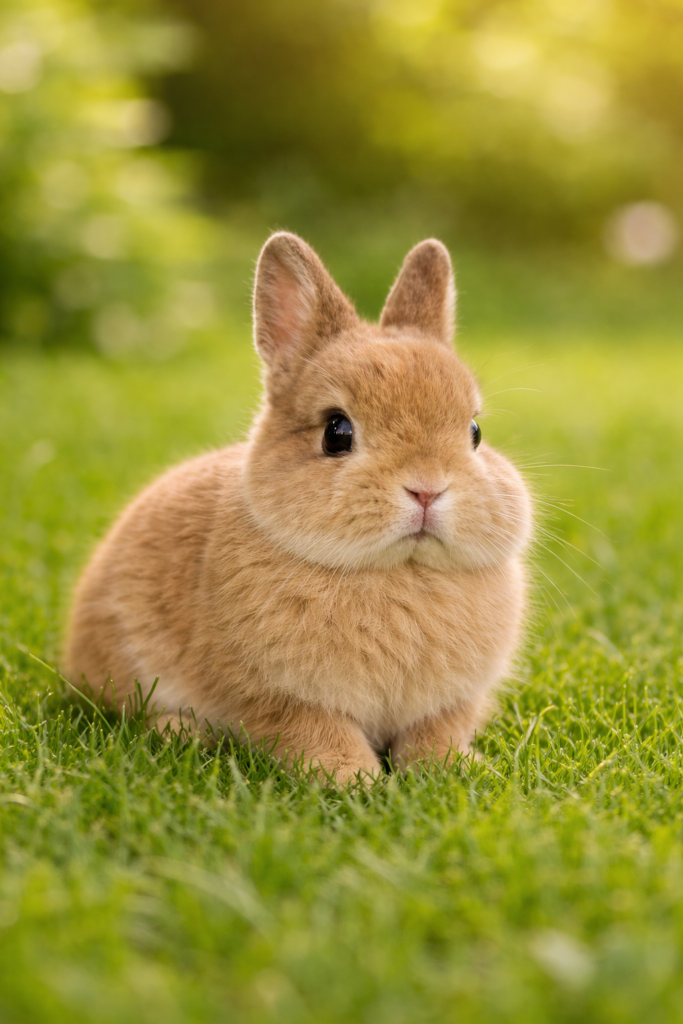
Looking for the tiniest, most adorable rabbit breed? The Netherland dwarf rabbit might be your perfect match! These pint-sized bunnies pack huge personalities into their compact 2-pound frames. Despite being the smallest rabbit breed in the world, they’re energetic, intelligent, and make wonderful companions for the right owner. Whether you’re considering adopting your first Netherland dwarf bunny or want to improve your dwarf rabbit care routine, this complete guide covers everything you need to know about these charming little hoppers. What is a Netherland Dwarf Rabbit? The Netherland dwarf rabbit originated in the early 1900s in the Netherlands, where breeders crossed small domestic rabbits with wild rabbits to create an ultra-compact pet. This dwarf rabbit breed was officially recognized by the American Rabbit Breeders Association (ARBA) in 1969 and has since become one of America’s most popular pet rabbits. Today, these tiny bunnies are cherished for their doll-like appearance and lively personalities. Quick Facts About Netherland Dwarf Rabbits: Feature Details Weight 2-2.5 pounds Lifespan 10-12 years Size Smallest recognized rabbit breed Temperament Energetic, initially shy, can be affectionate Best For Adults, experienced rabbit owners Recognition ARBA certified since 1969 Netherland Dwarf Rabbit Appearance and Characteristics Physical Features The Netherland dwarf rabbit size makes them instantly recognizable. These miniature rabbits have stout, compact bodies with short legs and a distinctively large, rounded head. Their most striking features are their big, expressive round eyes that seem oversized for their tiny faces, giving them an eternally youthful appearance. Their ears are remarkably short under 2.5 inches and stand perfectly upright on top of their heads. This combination creates their signature “baby rabbit” look that lasts throughout their entire life. Color Varieties One of the most exciting aspects of Netherland dwarf rabbit colors is the incredible variety available. These rabbits come in over 25 recognized color patterns, giving potential owners plenty of choices. Popular Netherland dwarf rabbit colors include solid black, pure white, rich chocolate, steel blue, vibrant orange, and stunning tortoiseshell patterns. Some also feature broken patterns where white combines with another color, creating unique spotted or patched appearances. Netherland Dwarf Rabbit Personality and Temperament Initial Behavior Understanding the Netherland dwarf rabbit temperament is crucial before bringing one home. Due to their wild rabbit ancestry and tiny size, these bunnies are naturally cautious and can be quite shy when first introduced to new environments or people. They may initially display defensive behaviors like biting, kicking, or scratching if they feel threatened or unsafe. This isn’t aggression it’s simply their survival instinct kicking in. Patience is absolutely essential during the first few weeks. After Bonding Once your Netherland dwarf rabbit bonds with you, their true Netherland dwarf personality shines through. They become playful, curious explorers who love investigating their surroundings. These intelligent little rabbits can learn to use litter boxes, respond to their names, and even perform simple tricks. Many owners report that their bonded Netherland dwarfs enjoy cuddling, seek attention, and display genuine affection. They’re particularly entertaining to watch during their energetic play sessions, hopping and binkying (jumping and twisting mid-air) with pure joy. Netherland Dwarf Rabbit Care Essentials Housing Requirements Proper Netherland dwarf rabbit care starts with appropriate housing. Despite their small size, these active rabbits need surprisingly spacious accommodations. Their cage should provide at least 4 square feet of floor space as a bare minimum, though bigger is always better. Indoor housing is strongly recommended because their tiny size makes them vulnerable to predators, extreme temperatures, and outdoor hazards. These high-energy bunnies require 3-4 hours of supervised exercise outside their cage daily. Create a rabbit-proofed play area free from electrical cords, toxic plants, and small objects they might chew. Their enclosure should include a litter box, water bottle or heavy dish, food bowl, hiding spots, and plenty of chew toys. Diet and Nutrition A proper dwarf rabbit diet is fundamental to their health and longevity. Follow these feeding guidelines: Hay (70% of diet): Unlimited access to fresh timothy or orchard grass hay is essential. Hay provides necessary fiber for digestion and helps wear down their continuously growing teeth. Refresh their hay supply each day to maintain quality and encourage eating. Pellets (20% of diet): Feed approximately 1/8 cup of high-quality, timothy-based rabbit pellets daily. Choose pellets with at least 18% fiber and avoid those with colorful additions, seeds, or dried fruit. Overfeeding pellets leads to obesity. Fresh Vegetables (10% of diet): Offer about 1 cup of fresh, leafy greens daily. Safe options include romaine lettuce, cilantro, parsley, arugula, and basil. Avoid iceberg lettuce as it has no nutritional value.To avoid gastrointestinal distress, incorporate new vegetables into their diet at a slow pace. Fresh Water: Always provide clean, fresh water in a heavy ceramic bowl or water bottle. Change water daily. Grooming Needs Netherland dwarf rabbits have relatively low grooming requirements compared to long-haired breeds. Their short, dense coat needs brushing once weekly to remove loose fur and prevent hairballs. During spring and fall shedding seasons, increase brushing to 2-3 times weekly. Trim their nails every 4-6 weeks using rabbit-specific nail clippers. Never bathe your rabbit unless absolutely necessary, as they’re self-groomers and bathing causes stress. Regular dental check-ups are crucial since their teeth grow continuously throughout their lives. Common Health Issues in Netherland Dwarf Rabbits Being aware of potential Netherland dwarf rabbit health concerns helps you catch problems early: Regular veterinary check-ups at least once yearly help prevent and catch health issues early. Choose a rabbit-savvy veterinarian experienced with small exotic pets. Is a Netherland Dwarf Rabbit Right for You? Best Fit For: Not Recommended For: Netherland Dwarf Rabbit Training and Socialization Training dwarf rabbits is surprisingly rewarding due to their intelligence. Most Netherland dwarfs can be successfully litter box trained within a few weeks. Place a litter box in their preferred corner, use rabbit-safe litter (avoid clay or clumping types), and reward them with treats when they use it correctly. These smart bunnies can also learn simple tricks like coming when called, standing on hind legs, or navigating obstacle

Scroll to Top